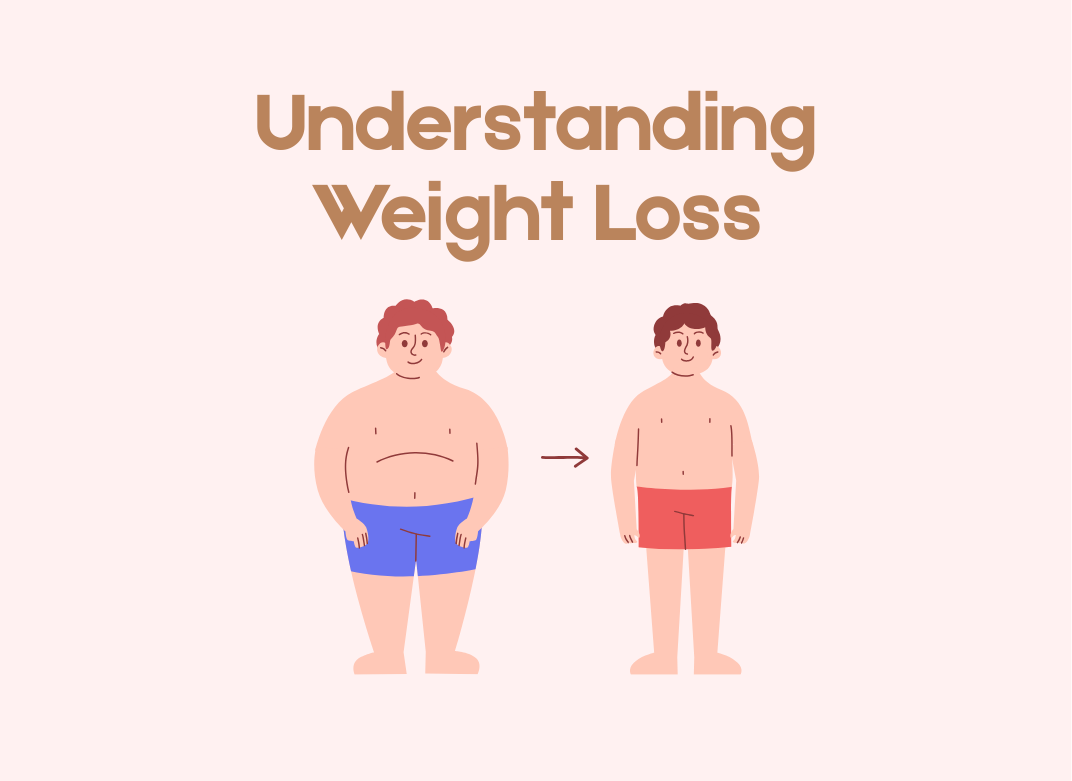
Obesity is a medical condition defined using a measurement called Body Mass Index (BMI), which is calculated using your height and weight.
For Asians:
Overweight: BMI between 23 and 25
Obesity: BMI of 25 or greater
Why Does Obesity Matter?
Carrying excess weight increases the risk of several health conditions, including:
Diabetes
High cholesterol
High blood pressure
Heart disease
Stroke
Obstructive sleep apnea
Certain cancers
Reduced fertility (subfertility)
Managing weight can significantly reduce these risks and improve overall health.
What is the Best Diet for Weight Loss?
There is no single “best” diet that works for everyone. However, most effective weight loss diets share a few key principles:
1. Reduce overall calorie intake
Weight loss happens when you consistently consume fewer calories than your body uses.
2. Choose healthier foods
Focus on:
Whole grains and high-fibre foods (e.g. brown rice, wholemeal bread and pasta)
Plenty of fruits and vegetables
Low-fat or fat-free dairy products
Lean protein (e.g. chicken, fish, tofu, legumes)
Try to limit:
Red and processed meats
Sugary drinks
High-sugar and high-fat condiments (e.g. mayonnaise, ketchup)
3. Cook in healthier ways
Remove visible fat and skin from meat
Choose baking, steaming, boiling, or grilling instead of frying
4. Cut down on processed foods and snacks
Highly processed foods are often high in calories, salt, and sugar.
💡 What about intermittent fasting? Timed diets like intermittent fasting can work for some people, but they have not been shown to be more effective at losing weight, as compared to traditional calorie-controlled diets.
How Many Calories Do You Need?
Your daily calorie needs depend on:
Age
Height and weight
Gender
Activity level
Eating the right number of calories helps you stay energized while losing weight safely. You can use a calorie calculator to estimate your needs.
Will I lose Muscle when I lose weight?
Weight loss involves a loss of both fat and muscle, with about 20-30% of weight loss coming from loss of muscle.
Weight loss occurs when the body is in a calorie deficit, meaning that more calories are burned than consumed over time. In this state, the body first uses stored glycogen, which is a form of carbohydrate kept as an energy reserve. Once these glycogen stores are depleted, the body begins to burn fat for energy. At the same time, it may also break down protein from muscle tissue to produce glucose as an additional energy source, which can lead to loss of muscle mass.
How can I minimize muscle loss when losing weight?
To avoid losing too much muscle mass when losing weight, both exercise and increased protein intake are required.
Resistance training involves doing exercises against a load, including:
Weightlifting
Exercises using weight machines
Resistance bands exercises
Bodyweight exercises (e.g. squats, push-ups)
Resistance training helps to build muscle and preserve lean muscle mass during weight loss. As muscle mass increases, it also raises your resting metabolism, allowing your body to burn more calories even at rest. Current guidelines recommend engaging in resistance training at least twice a week.
In addition, adequate protein intake is essential for muscle growth. The body breaks down dietary protein into amino acids, which are then used to repair and build muscle tissue. For individuals who are doing strength training, sports nutrition guidelines suggest a daily protein intake of approximately 1.6 to 2.2 grams per kilogram of body weight.
In conclusion, successful weight loss is largely driven by maintaining a consistent calorie deficit. Rather than relying on strict or restrictive diets, it is more effective to adopt sustainable, healthy eating habits that can be maintained in the long term. Combining a balanced diet with regular exercise and adequate protein intake also helps to preserve muscle mass during weight loss. Ultimately, small and consistent lifestyle changes tend to produce better and more lasting results than extreme approaches.
Stay tuned for our next article, we will explore the different weight loss treatment options available for individuals who have not achieved their desired results with diet and exercise alone.
Concerned about your weight or health risks? Speak to our doctors for personalised advice on safe and effective weight management!
Dr Amaris is a Family Physician at Frontier Healthcare with a special interest in Sports Medicine. She also contributes as one of the Core Faculty for the Family Medicine Residency Program with the National University Health System (NUHS). She currently practices at Canberra and Bukit Batok.

 E-Store
  Contact Us
  Download App