Diabetes is a condition where your body has trouble using or making enough insulin. Insulin is a hormone that helps regulate your blood sugar levels. When our body does not respond properly to insulin, blood sugar (glucose) can rise to unhealthy levels, resulting in Diabetes.
Types of Diabetes
There are three main types of diabetes, each affecting the body in different ways:
Type 1 Diabetes: This type occurs when the body does not make any insulin at all. It is usually diagnosed in children or young adults and requires insulin therapy for life.
Type 2 Diabetes: The most common form of diabetes, Type 2 occurs when the body is unable to use insulin effectively. It often develops in adults who have had high blood sugar levels for prolonged periods, resulting in the body becoming resistant to insulin. It is linked to factors like obesity, poor diet, and lack of exercise.
Gestational Diabetes: This type happens during pregnancy. Although it usually goes away after delivery, women who experience gestational diabetes are at a higher risk of developing Type 2 diabetes later in life.
Symptoms of Diabetes
Many people with diabetes may not notice symptoms, especially in the early stages. However, when blood sugar levels get very high, it can lead to noticeable signs. If you’re experiencing any of the following, it is important to see a doctor:
Increased Thirst or Frequent Urination
High blood sugar makes your kidneys work harder to filter out sugar, leading to more frequent urination and dehydration, which causes you to feel thirstier.
Fatigue
When blood sugar levels are too high, your cells are unable to use the sugar effectively for energy, which can make you feel tired or fatigued. Dehydration can also result in a sense of fatigue.
Unexplained Weight Loss
In diabetes, your body is unable to use sugar effectively, so it breaks down muscle and fat for energy, which can lead to weight loss. Dehydration from frequent urination can also contribute to weight loss.
Blurry Vision
High blood sugar levels can affect the lenses of your eyes, leading to blurred vision.
Over time, untreated diabetes can also damage the retina, causing permanent vision loss.
Slow Healing of Wounds
High blood sugar can interfere with blood flow and nerve function, making it harder for your body to heal cuts or injuries, especially on your feet.
Complications of Diabetes
If not managed properly, high blood sugar levels can cause serious health problems over time. These include:
Kidney Damage: High sugar levels can damage the blood vessels in your kidneys, leading to kidney failure, which may require dialysis in the long run.
Vision Loss: Diabetes can cause damage to the blood vessels in your eyes, leading to vision problems and even blindness.
Poor Healing: High blood sugar damages the small nerve endings in our feet, reducing the protective ability to feel pain, resulting in minor injuries like cut or blisters to occur more easily. High blood sugar also affects the blood vessels in our limbs, slowing the healing process, and allowing these minor injuries to develop into more serious infections like ulcers.
Heart Disease & Stroke: Over time, high blood sugar can damage blood vessels, increasing the risk of heart disease and stroke.
Diagnosing Diabetes
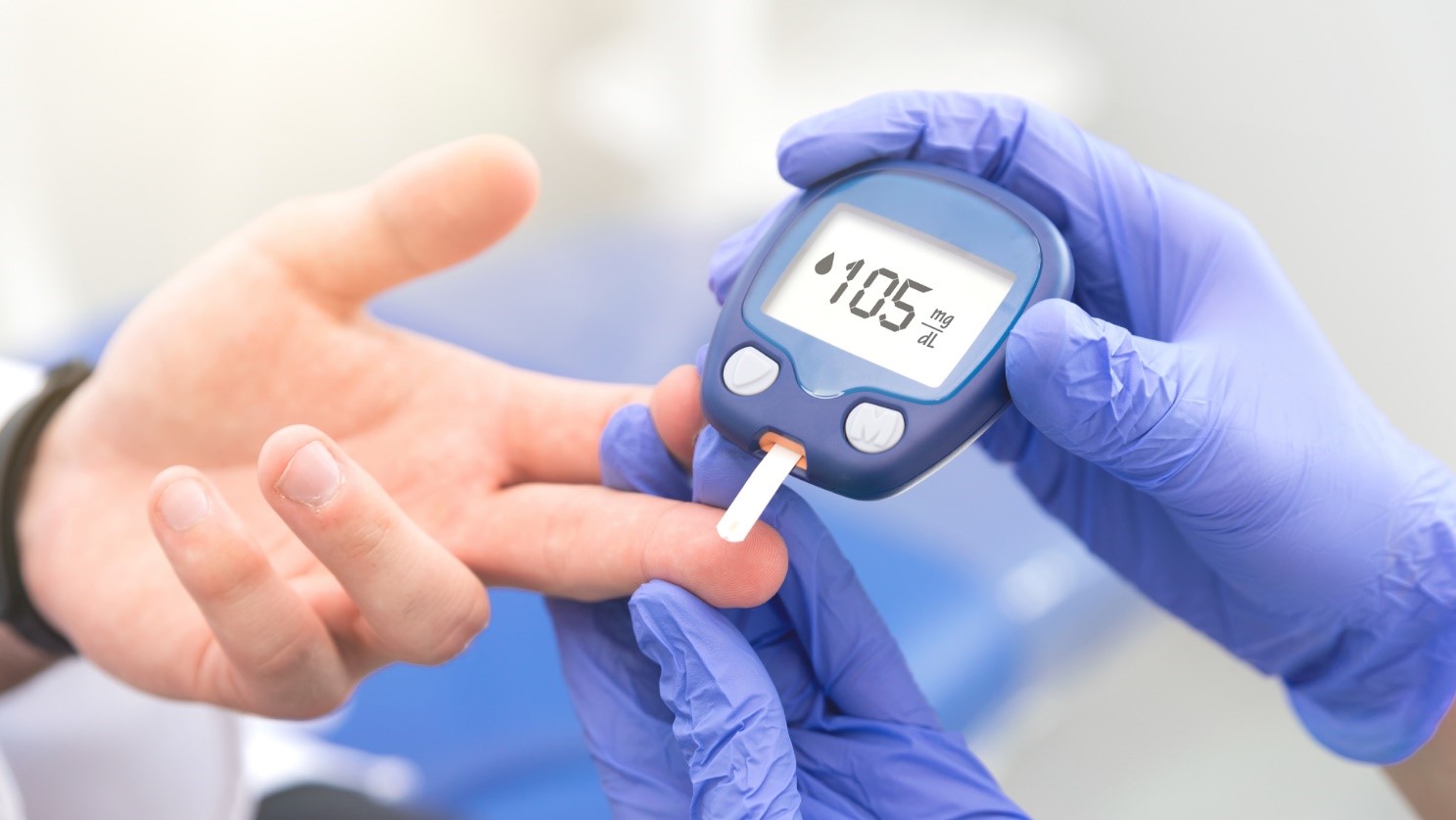
Diabetes can be diagnosed through simple healthscreening blood tests that measure your blood sugar levels. The most common tests include:
Fasting blood glucose test, which checks your sugar level after not eating overnight
HbA1c test, which shows your average blood sugar over the past three months
Oral glucose tolerance test, which measures how your body handles sugar after drinking a sweet solution.
These tests help to detect diabetes early, even before symptoms appear, allowing treatment to start sooner and prevent complications.
Managing Diabetes
While there’s no cure for diabetes, it’s possible to control the condition effectively with a healthy lifestyle, regular monitoring of blood sugar levels, and proper treatment. Here are some tips to help manage diabetes:
Eat a balanced diet: Focus on a diet rich in whole grains, vegetables, lean proteins, and healthy fats. Avoid processed foods and sugary drinks.
Exercise regularly: Physical activity helps regulate blood sugar and can improve insulin sensitivity.
Medications: Medications help to maintain your blood sugar levels in a healthy range.
Diabetes is a common but manageable condition, and early detection makes a big difference. If you have noticed any symptoms or have risk factors such as a family history of diabetes, being overweight, or having high blood pressure, it is important not to wait.
Regular health screenings can catch diabetes early—often before symptoms even appear—and help prevent long-term complications. Make an appointment with your family doctor for a check-up and screening today!
Dr Amaris is a Family Physician at Frontier Healthcare with a special interest in Sports Medicine. She also contributes as one of the Core Faculty for the Family Medicine Residency Program with the National University Health System (NUHS). She currently practices at Canberra and Bukit Batok.

 E-Store
  Contact Us
  Download App